
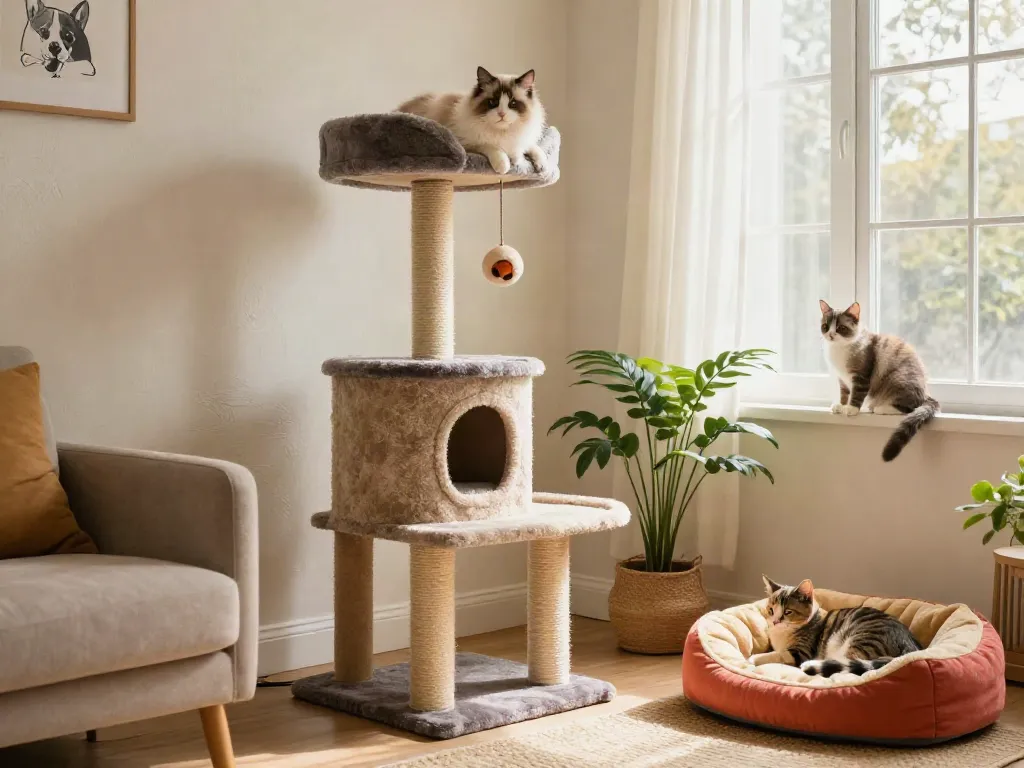
Understanding Cat Towers and Cat Trees
Cat towers and cat trees are more than just furniture for your feline friends; they are essential structures that cater to their physical and mental well-being. Designed to provide cats with a space to climb, scratch, and relax, these structures come in various shapes and sizes, fitting seamlessly into any home. When exploring options, cat tower cat tree varieties are a popular choice among pet owners seeking both functionality and style.
What is a Cat Tower Cat Tree?
A cat tower, sometimes referred to as a cat tree, is a piece of furniture specifically designed for cats. It typically consists of multiple platforms, scratching posts, and sometimes enclosed spaces or condos for lounging. The height and design can vary widely, catering to different breeds and personalities. Some cats love to perch at a height, while others prefer a cozy den-like space where they can hide and feel secure.
Benefits of Cat Towers for Cats
- Physical Exercise: Cat towers encourage climbing and jumping, which helps maintain a healthy weight and builds muscle tone.
- Mental Stimulation: Interactive elements like hanging toys and varied textures keep your cat engaged and mentally sharp.
- Stress Relief: A designated space helps cats feel safe and reduces anxiety, particularly in multi-pet households.
- Scratching Outlets: Providing a scratching post can help redirect destructive behaviour away from furniture.
Common Misconceptions About Cat Trees
Many pet owners believe that all cat trees are bulky and unattractive. In reality, there are many stylish designs available that complement home decor. Additionally, some assume that only kittens will enjoy these structures, but adult and senior cats equally benefit from their environmental enrichment.
Choosing the Right Cat Tower Cat Tree
Selecting the perfect cat tower involves several considerations to ensure it meets your cat's needs and complements your living space. The right choice can enhance your cat's lifestyle while blending with your home's aesthetics.
Factors to Consider When Selecting a Cat Tree
- Cat Size: Ensure the tower can support your cat’s weight and size, particularly if you have larger breeds.
- Activity Level: High-energy cats may benefit from larger towers with multiple levels, while more sedentary cats may prefer simpler designs.
- Materials: Look for durable materials such as solid wood or high-quality particle board. Carpeted surfaces offer comfort and grip for your cat’s claws.
Top Materials and Designs for Durability
Common materials for cat towers include solid wood, pressed wood, and high-quality fabric coverings. Towers made from solid wood tend to be more durable and stable, lasting longer in households with playful cats. Towers with sisal-wrapped scratching posts are ideal as they withstand clawing and are appealing to cats.
Size and Space Considerations in Your Home
Before purchasing a cat tower, consider the available space in your home. Choose a design that fits your area without overwhelming it. Corner towers are excellent for small spaces, while larger multi-level towers can serve as a centrepiece in a spacious room.
Setting Up Your Cat Tower Cat Tree
Proper placement and integration of your cat tower can significantly enhance its usability and appeal for your furry friend.
Optimal Placement for Engagement and Safety
- Visibility: Place the cat tree in a high-traffic area where your cat can observe the household activities, satisfying their curiosity.
- Near Windows: Consider positioning the tower near a window to provide your cat with a view of the outside world.
- Avoid Isolated Corners: Cats are generally social animals and prefer spaces where they feel connected to their humans.
Integrating the Cat Tree into Your Home Decor
Modern cat trees come in various colours and styles that can fit seamlessly into your home's aesthetic. Choose a colour palette that complements your existing furniture or decor to create a stylish and inviting look.
Creating a Stimulating Environment Around the Cat Tree
Enhancing the area around your cat tree can encourage engagement. Add interactive toys or create safe pathways for your cat to explore. Using climbing shelves can also elevate the play experience by allowing your cat more vertical space.
Maintenance and Care of Cat Towers
Regular care of your cat tower is essential to ensure it remains clean and functional for your cats.
Regular Cleaning Tips for Longevity
- Vacuum Regularly: Use a vacuum with a brush attachment to remove fur and dust from fabric surfaces.
- Spot Clean Stains: Use pet-safe cleaners to tackle any stains or odours.
- Sisal Care: Scratching posts can be cleaned with a damp cloth to remove debris.
Repairing Common Issues with Cat Towers
Over time, even the sturdiest cat trees may need repairs. Check for loose screws, frayed fabric, or damaged structures. Most parts can be replaced or repaired with simple tools to extend the life of your tower.
Refreshing Your Cat Tree: Accessories and Updates
Keep your cat tree engaging by adding new toys or replacing worn parts. You can also add fleece covers or cushions for added comfort, making the space more inviting for your cats.
Future Trends in Cat Towers and Cat Trees
The future of cat towers is bright, with innovative designs and sustainable materials paving the way for enhanced feline habitats.
Innovative Designs for 2026 and Beyond
We can expect to see more multifunctional cat trees that combine scratching posts, play areas, and even beds into a single unit. Some designs may incorporate tech features, such as built-in toys or monitoring systems to keep track of your cat’s activity.
Eco-Friendly Materials and Sustainability Trends
As more consumers become aware of sustainability, cat towers made from recycled materials or sustainably sourced wood are likely to gain popularity. Companies may focus on reducing their carbon footprint by using eco-friendly production practices.
Expert Insights on Cat Behaviour and Tower Use
Cat behaviour experts suggest that social interactions and environmental enrichment provided by towers aid in reducing anxiety and improving overall well-being. Understanding these behaviours helps owners select the right structures that cater to their cat's innate instincts.
What are the best types of cat tower cat trees for large cats?
For large cats, look for sturdy constructions made of solid materials that can support their weight. Cat trees with wider platforms and reinforced bases are ideal.
How do I encourage my cat to use the cat tree?
Encourage your cat to use their new tower by placing treats or toys on various levels. You can also engage in playtime near the tower to create positive associations.
What should I consider when placing a cat tower in my home?
Consider your cat’s preferences for visibility and height, as well as the space available in your home. Ensure the tree is stable and away from hazards.
Are DIY cat towers a good option?
DIY cat towers can be an excellent choice if you have specific design ideas or space limitations. Just ensure that the materials used are safe and sturdy.
How often should I clean my cat tree?
Regular cleaning is vital; aim for weekly vacuuming with a deeper clean monthly to keep it fresh and hygienic for your cat.